
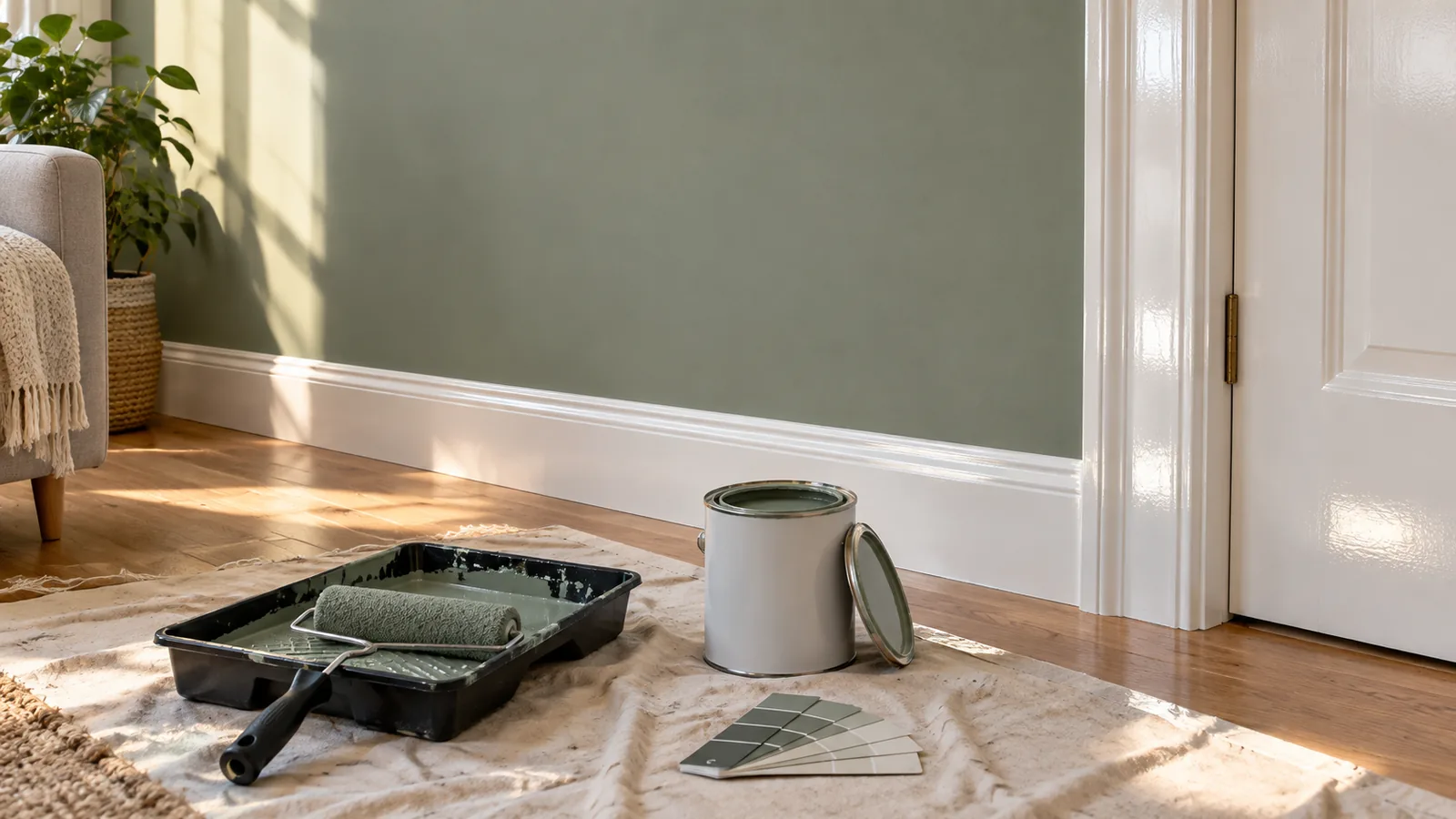
The finishes at a glance
| Finish | Looks | Hides wall flaws | Washes clean | Best for |
|---|---|---|---|---|
| Flat | No shine at all | Best | Poorly: rubbing can leave shiny spots | Ceilings, low-traffic walls |
| Matte | Almost no shine, soft and deep colour | Very good | Fair to good, depending on the paint line | Living rooms, bedrooms, dining rooms |
| Eggshell | A faint glow, like the shell it is named after | Good | Good | Most walls, including busier rooms |
| Satin | A soft, visible sheen | Fair | Very good | Hallways, kitchens, children's rooms, bathrooms |
| Semi-gloss | Clearly shiny and reflective | Poor: shows every bump | Excellent | Trim, doors, cabinets, wet areas |
| Gloss and high gloss | Mirror-like | Poorest | Excellent | Doors, furniture, statement trim |
Most homes need only three of these: one for the walls, semi-gloss or satin for the woodwork, and flat for the ceilings. The hard decision is the wall finish, and that is where matte, eggshell, and satin compete.
What sheen actually measures
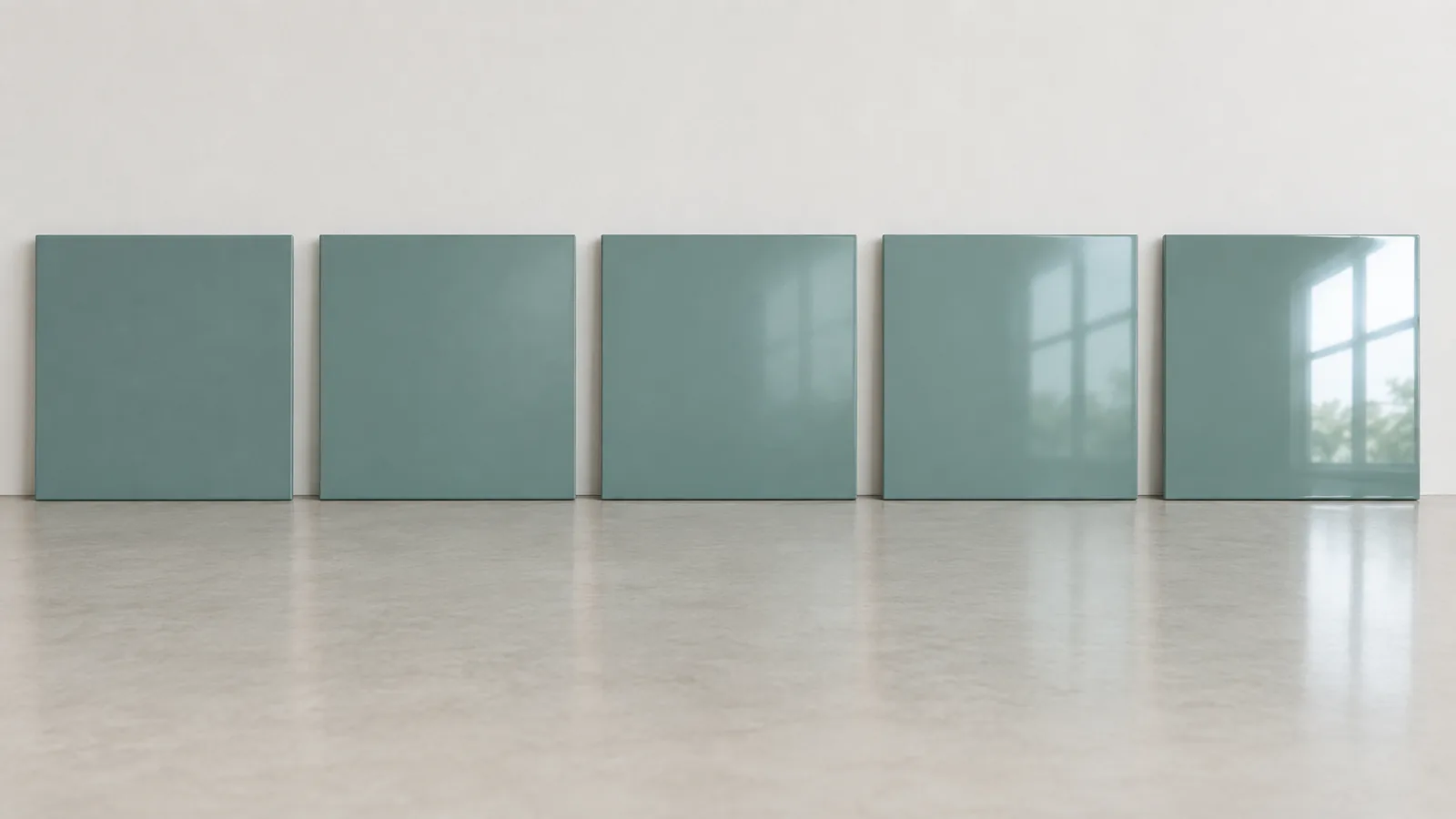
Sheen is how much light a painted surface reflects back at you. The industry measures it with a gloss meter, in gloss units, and the Master Painters Institute (MPI) groups the results into seven standard gloss levels. The names on the can are marketing; the gloss level is the number behind them.
| MPI level | Common name | Gloss at 60 degrees | Sheen at 85 degrees |
|---|---|---|---|
| G1 | Flat, matte | 0 to 5 units | Up to 10 units |
| G2 | Velvet, low-sheen matte | Up to 10 units | 10 to 35 units |
| G3 | Eggshell | 10 to 25 units | 10 to 35 units |
| G4 | Satin | 20 to 35 units | 35 units or more |
| G5 | Semi-gloss | 35 to 70 units | Not specified |
| G6 | Gloss | 70 to 85 units | Not specified |
| G7 | High gloss | More than 85 units | Not specified |
Brands add names of their own, such as pearl, low lustre, or velvet, and they do not all sit at the same point on the scale. If you are matching an existing wall or comparing brands, look up the product data sheet, which usually lists the gloss in units, rather than trusting the word on the label.
The trade-off: hiding flaws vs cleaning
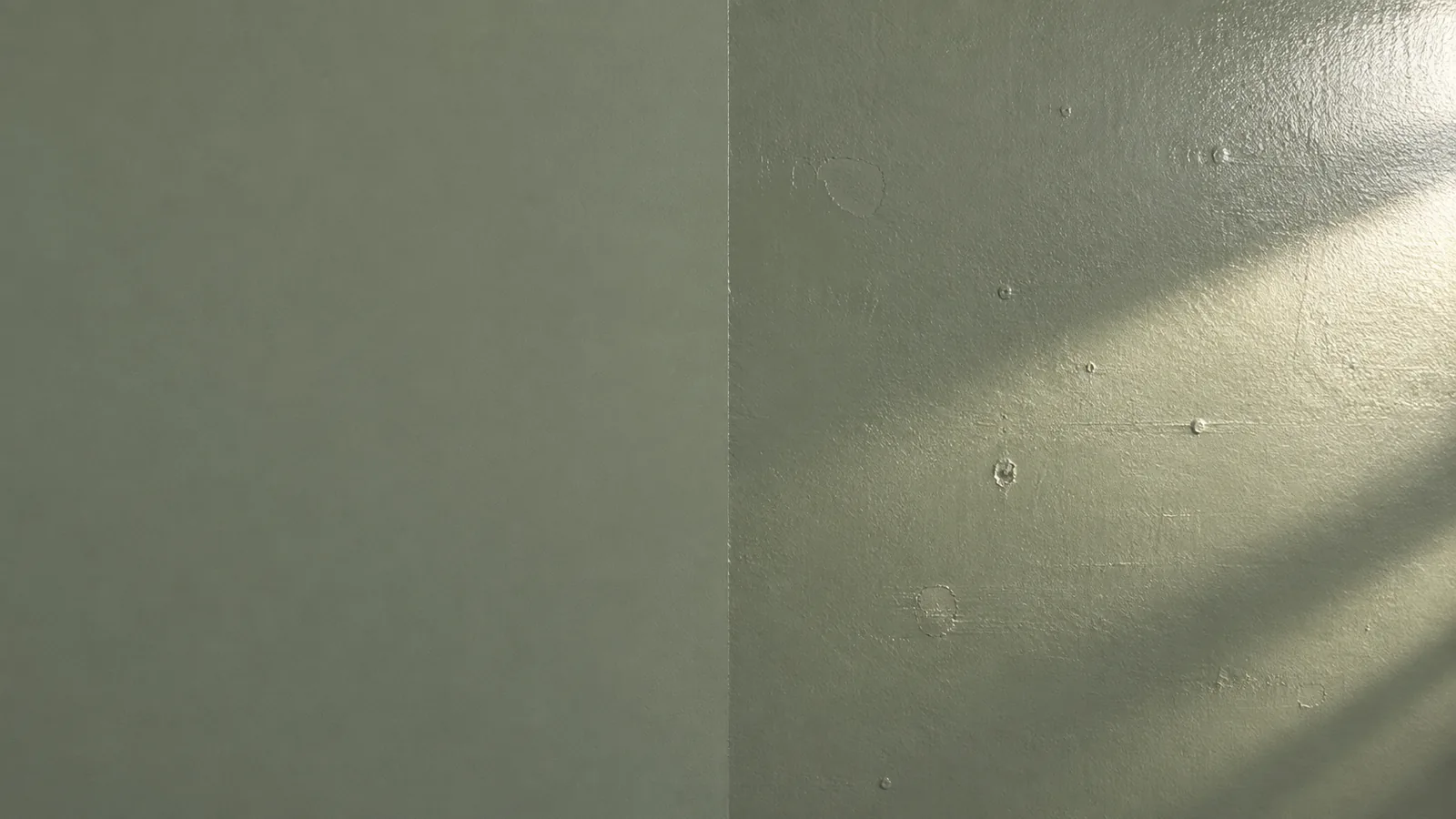
Every step up in sheen buys durability and costs forgiveness. A glossier film is harder and smoother, so dirt sits on top of it and wipes off. The same smoothness reflects light off every dent, patch, and roller mark. The MPI puts it plainly: low-gloss coatings are ideal for masking surface defects, and high-gloss coatings highlight them.
So the question to ask of any wall is which problem it will have more of: flaws, or dirt. An old plaster wall in a quiet bedroom has flaws and little dirt, so go flatter. A smooth new wall in a hallway where bags and hands brush past has the opposite problem, so go shinier.
Each finish in detail
Flat and matte
Flat reflects almost no light, so the colour looks even and deep and the wall looks smoother than it is. Benjamin Moore's finish guide notes the catch: stains are harder to remove from low-sheen paint, and constant rubbing can cause burnishing, the shiny patch you get from scrubbing one spot. Matte sits a touch higher and many premium matte lines are now made to withstand washing, so matte is no longer only for rooms nobody touches. Check the label for a scrub or washability claim.
Eggshell
Eggshell is the default wall finish for a reason. It has enough sheen to wipe clean, not enough to show every flaw, and it suits almost every room in the house. If you want one wall finish for the whole home, this is it.
Satin
Satin has a visible sheen and better stain resistance than the lower finishes. It is the sensible choice for walls that get handled: hallways, stairwells, kitchens, children's rooms, and bathrooms. The price is that it shows wall flaws and roller marks, so it rewards careful prep and even rolling.
Semi-gloss
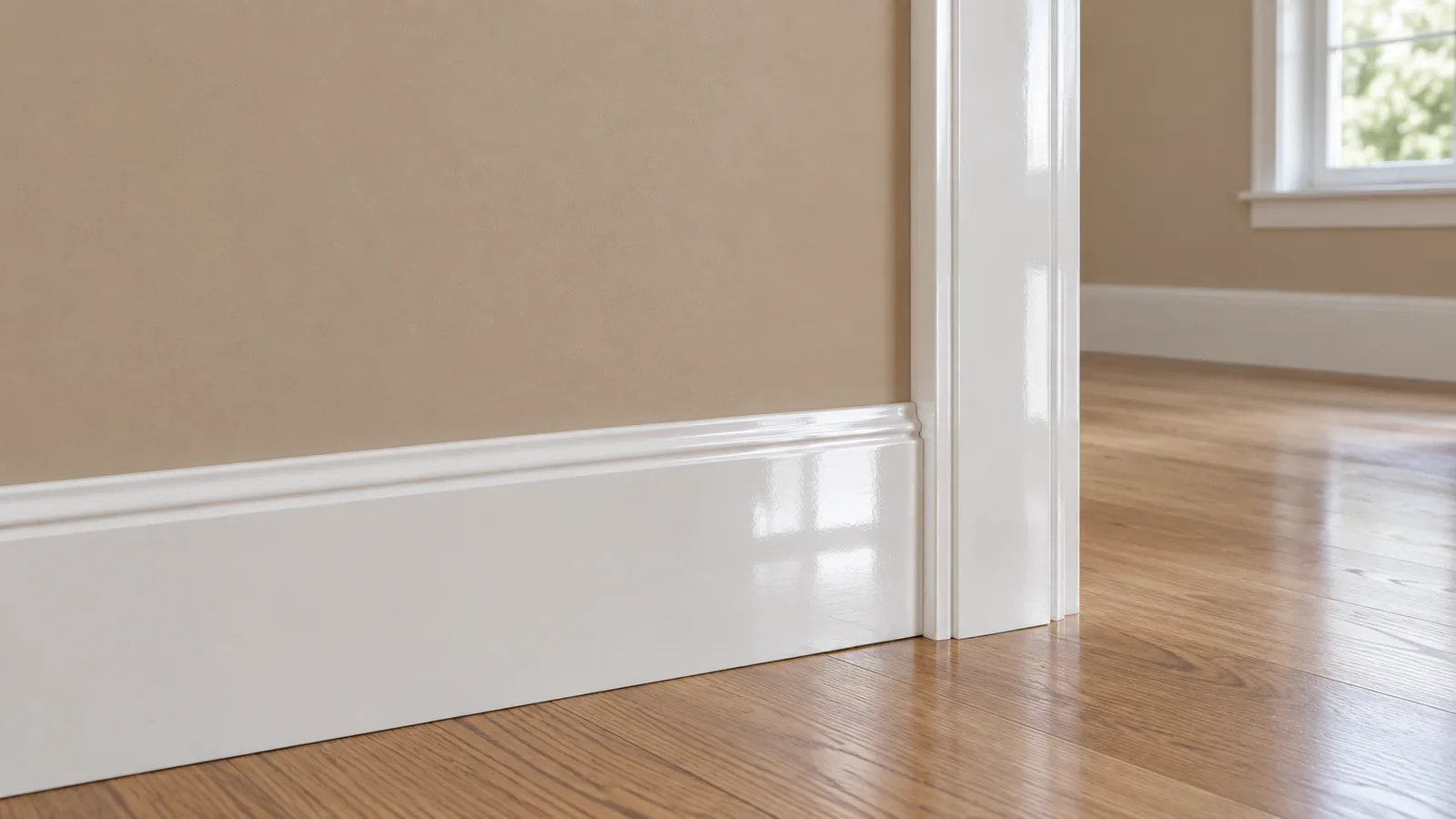
Semi-gloss is hard, smooth, and easy to wipe, which is why it has long been the standard for trim, doors, and cabinets. On a whole wall it usually looks too shiny for a living space and turns every patch into a highlight. Use it where wood takes knocks, and where water splashes.
Which finish for each room
| Room or surface | Recommended finish | Why |
|---|---|---|
| Living and dining room walls | Matte or eggshell | Soft light, hides flaws, occasional cleaning |
| Adult bedrooms | Matte or eggshell | Low traffic; the calmest look |
| Children's rooms | Eggshell or satin, or a washable matte | Hands, crayons, and scuffs need wiping |
| Hallways and stairwells | Eggshell or satin | Bags, shoulders, and hands brush the walls |
| Kitchen walls | Eggshell or satin | Grease and splashes need wiping |
| Bathrooms | Satin or semi-gloss, or a paint made for bathrooms | Humidity and condensation; look for mildew resistance on the label |
| Ceilings | Flat | Hides flaws where light rakes across; rarely touched |
| Trim, doors, and baseboards | Semi-gloss or satin | Hard wearing, easy to wipe |
| Kitchen cabinets and furniture | Semi-gloss or satin, in a cabinet or enamel paint | Constant handling; needs a hard film |
A laundry room follows the bathroom rule, since it gets humid; our laundry room layout guide covers the rest of that room. If you are painting a rental, match the existing finish so your touch-ups disappear when you move out.
Touch-ups, burnishing, and repainting
- Touch-ups show more as sheen rises. A dab of satin on a satin wall often dries as a slightly different sheen from the wall around it. Flat and matte blend best. Keep leftover paint from the same can, and feather touch-ups out with a small roller rather than a brush.
- Burnishing is a flat-paint problem. Scrubbing one spot on a flat wall can polish it into a shiny patch. Clean low-sheen walls with a soft cloth and mild soapy water, and do not scrub.
- Going over a glossier finish needs prep. New paint grips poorly on semi-gloss or gloss. Clean it, then sand lightly or use a deglosser before you paint.
- The same colour looks different in different sheens. A shinier finish reflects more of the room and light, so the colour can read richer and more changeable. Test the exact colour in the exact sheen you plan to buy.
How to choose
- Old walls with patches, dents, or uneven plaster?Go matte, and pick a washable matte line if the room gets touched.
- A busy room where walls get wiped every week?Eggshell or satin.
- A bathroom without a strong extractor fan?Satin or semi-gloss, or a bathroom paint with mildew resistance.
- Trim, doors, or cabinets?Semi-gloss, or satin for a softer look.
- A ceiling?Flat, almost always.
- Still between two finishes?Paint a large sample of each, look at it in side light, and choose the lower sheen if the wall is imperfect.
Finish is only half of a paint decision. If you are still choosing the colour, try it on your own room photo first; our ChatGPT room design workflow shows how to test one colour at a time, then confirm it with a real sample on the wall.