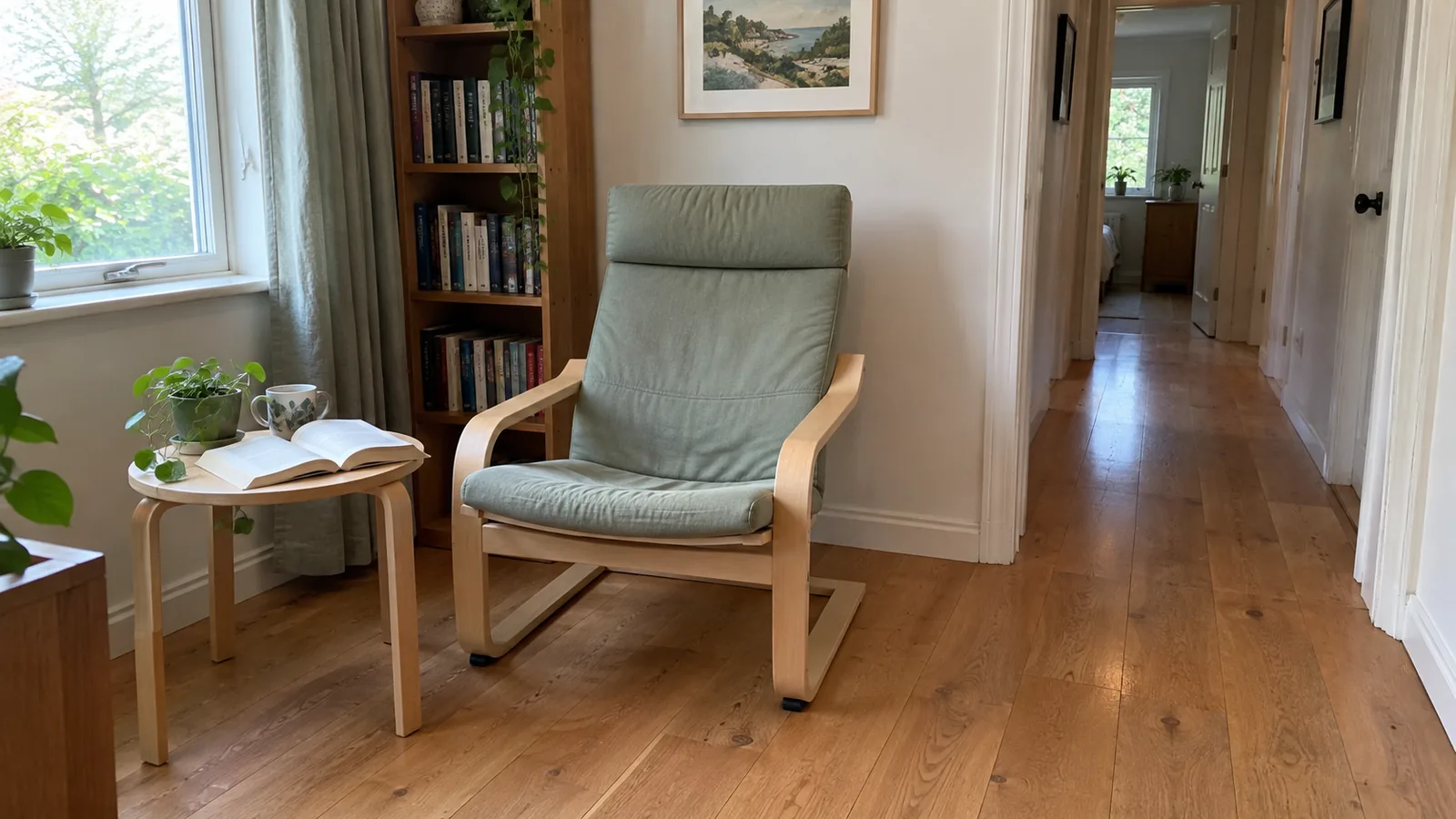
Who should consider the POÄNG chair?
Consider POÄNG if you want a separate lounge chair and can try the exact frame-and-cushion combination first. Its documented footprint makes it straightforward to plan, but specifications cannot tell you whether its back and seat suit your body.
Worth trying if
- You want a chair beside the sofa or in a reading corner.
- You can spare the full depth, not just its narrow-looking front.
- You want to choose a compatible cushion separately.
Compare alternatives if
- You need a notably higher seat to get up comfortably.
- You want an upright dining or desk chair.
- Your neck, back or legs need a fit that you have not checked in person.
This is a purchase-planning assessment, not a claim about personal comfort or long-term durability. We have not performed those tests.
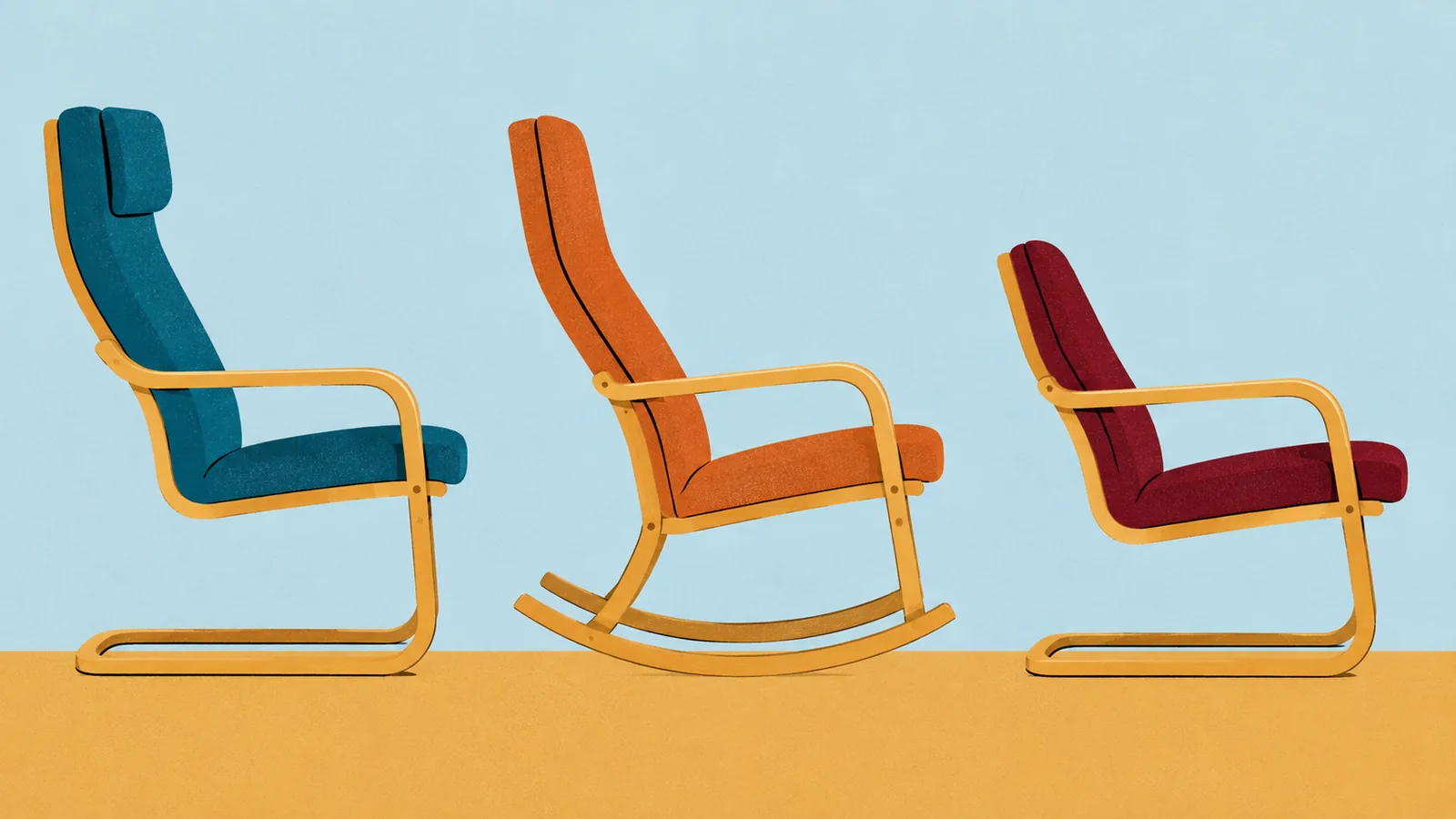
POÄNG dimensions: standard, rocker and low-back
The high-back reference is IKEA US's birch veneer / Knisa black armchair. Variant outside dimensions below are from IKEA's October 2025 US buying guide, rechecked in October 2026. Confirm the live listing for your selected combination.
| Variant | Width | Depth | Height |
|---|---|---|---|
| High-back armchair | 26 3/4 in (68 cm) | 32 1/4 in (82 cm) | 39 3/8 in (100 cm) |
| Rocking chair | 26 3/4 in (68 cm) | 37 in (94 cm) | 37 3/8 in (95 cm) |
| Low-back armchair | 26 3/4 in (68 cm) | 29 1/2 in (75 cm) | 27 1/2 in (70 cm) |
| Ottoman | 26 3/4 in (68 cm) | 21 1/4 in (54 cm) | 15 3/8 in (39 cm) |
The checked high-back combination lists a seat width of 22 in (56 cm), seat depth of 19 5/8 in (50 cm) and seat height of 16 1/2 in (42 cm). Those are seat dimensions, not overall footprint dimensions. They do not describe the clearance needed to rock or the position of a particular sitter's head.
The chair is narrow, but depth still matters
Use the complete footprint in your room sketch. The rocker is 4 3/4 in (12 cm) deeper than the standard chair before considering its movement. The low-back is 2 3/4 in (7 cm) shallower than the standard model. Those differences can decide whether a corner remains usable.
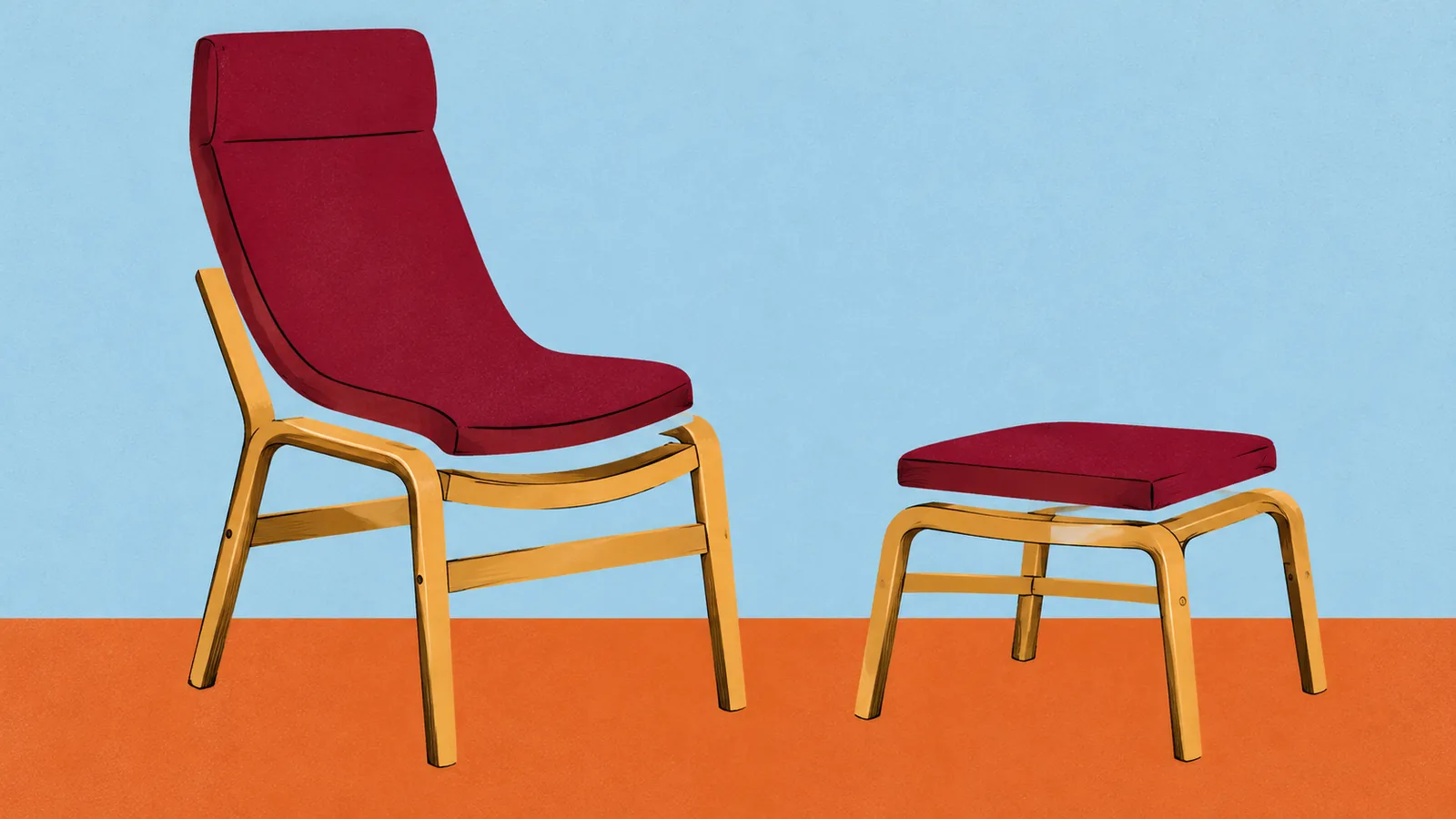
If you add the ottoman, put both outlines on the floor and test the gap where your legs will rest. Do not simply add their depths and treat that as the only arrangement. Leave a usable route beside the chair, using the clearance guide for initial planning.
Which cushion fits which frame?
Use the buying guide's part table and the current product listing together. A cushion sold for an ottoman is not the full chair cushion. The low-back has dedicated options in the guide; do not assume every high-back cushion is correct just because the range name matches.
| Frame | Selection check |
|---|---|
| High-back armchair | Choose a listed chair cushion compatible with this frame. The checked Knisa model is one reference combination. |
| Rocking chair | Check the guide's compatibility row and selected product combination; do not select by outside depth alone. |
| Low-back chair | Use the designated low-back combination. The guide lists Katorp and Vissle low-back options. |
| Ottoman | Choose the separate ottoman cushion; confirm its part number. |
Do not rank cushion comfort from cover names or fabric abrasion figures. A thicker-looking cushion can change the feel and body position, but only trying it establishes whether that helps you. Compare the exact cushions on the same frame if the store has them available.
Fit checks for short and tall users
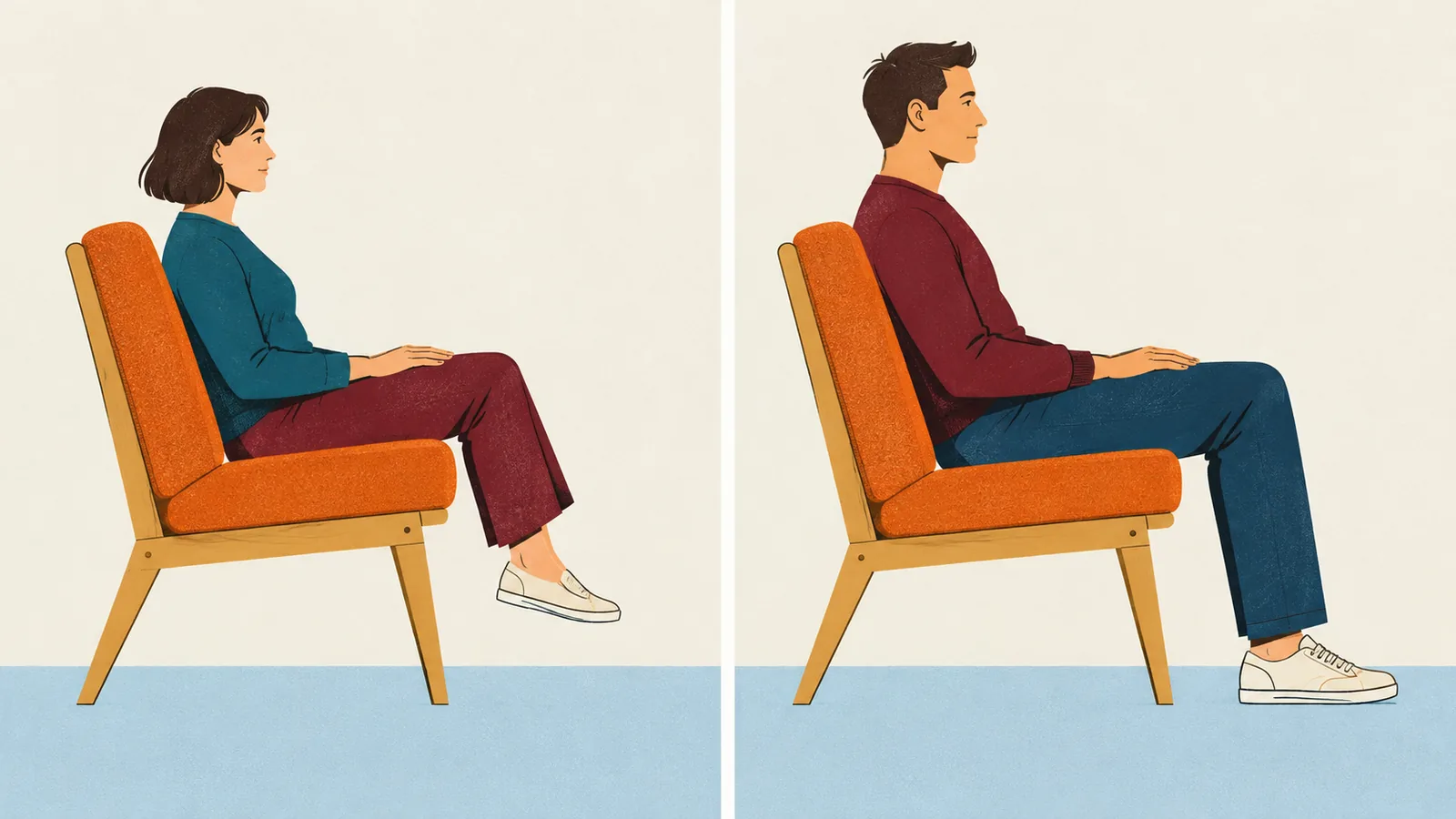
There is no universal height cutoff in the evidence checked here. Two people of the same standing height can have different torso and leg proportions. A generic comfortable-for-tall-people verdict would conceal that difference.
| Check during a sit test | Look for |
|---|---|
| Seat depth | Whether you can sit in your normal position without pressure at the backs of your knees |
| Head and neck | Where the back/cushion contacts your body, not just the listed chair height |
| Arms | Whether your forearms rest naturally in the intended posture |
| Feet | Support on the floor or intended ottoman without sliding forwards |
| Standing up | Whether you can rise comfortably from this seat height |
| Movement | Whether the frame/rocker behaviour suits your use and room |
Try the chair in the posture you expect to use for reading, watching TV or conversation. Stay long enough to compare your position with the alternative cushion or chair. Do not buy from a brief sit on a different variant and assume the result transfers.
Care, materials and replacement planning
The checked Knisa combination has a layer-glued wood veneer frame and a separate upholstered cushion. Its listing specifies vacuuming and a damp-cloth wipe for the cushion. Do not assume that a removable-looking cushion means its cover is machine washable.
| Before buying | Why to check |
|---|---|
| Exact cushion care label | Different covers can need different cleaning. |
| Frame and cushion part numbers | They identify what you need if replacing a component. |
| Current warranty terms | A warranty is not a comfort guarantee or a durability test. |
| Assembly documents | Follow the instructions for the exact frame. |
| Selected combination price | Frame-only and complete-chair listings are not the same purchase. |
Keep assembly documents and inspect connections according to the product instructions. We have not timed assembly or tested wear. For material terminology elsewhere in your room, use the wood construction comparison.
Before you order a POÄNG
- Choose standard, rocking or low-back explicitly.
- Tape out the footprint and check nearby paths.
- Try the exact cushion and frame, including getting up.
- Verify cushion compatibility and care.
- Confirm the selected listing includes the intended parts and check return terms.
POÄNG belongs on a shortlist when its size and your sit test both work. If you are adding it beside a sofa, check the overall arrangement with the living-room layouts rather than treating the chair as an isolated purchase.